top of page

Calmed Streets and Public Space San Francisco Four Seasons Hotel
The public space intervention project involves restoring the streets within the area of influence of the Four Seasons San Francisco Hotel, located at the entrance to the Getsemaní neighborhood in Cartagena de Indias, as a living, flexible, humane, and sustainable public space.
The new model of public space is based on the review and updating of the factors that make up the city: a heritage that enhances its character and value as a material entity; a public space and the idea of urbanity that places people at the center, reinforcing proximity and strengthening its multifunctional use; and a green infrastructure that uses nature as an ally in resilience and mitigation of climate change. In this way, a new type of space is being introduced, a new reference landscape that also has the capacity to generate a new urban identity for Getsemaní.
The recovery of this public space we want is a place for those who inhabit it. A place that responds to the needs and desires of its inhabitants, granting them rights and opportunities.
The public space intervention project involves restoring the streets within the area of influence of the Four Seasons San Francisco Hotel, located at the entrance to the Getsemaní neighborhood in Cartagena de Indias, as a living, flexible, humane, and sustainable public space.
The new model of public space is based on the review and updating of the factors that make up the city: a heritage that enhances its character and value as a material entity; a public space and the idea of urbanity that places people at the center, reinforcing proximity and strengthening its multifunctional use; and a green infrastructure that uses nature as an ally in resilience and mitigation of climate change. In this way, a new type of space is being introduced, a new reference landscape that also has the capacity to generate a new urban identity for Getsemaní.
The recovery of this public space we want is a place for those who inhabit it. A place that responds to the needs and desires of its inhabitants, granting them rights and opportunities.
Safe, healthy, sustainable, inclusive, and vital spaces.
The goal is to humanize the use of inclusive public space to prioritize pedestrians, as is the case in most historic centers around the world, through these five objectives:


PEDESTRIAN DESIGN PRINCIPLES
The Street as a Public Space: The street is the area of public space designated for circulation, between walls, along which citizens enjoy and move. The street is not just the vehicular roadway; it is the space from wall to wall, consisting of sidewalks, vegetation, furniture, cycle paths, lanes for public and private transport, median strips, functional gardens, and safe pedestrian crossings, among other things.
PLAZAS FOR PEOPLE AND NATURE

Functional lanes (roads and platforms) are public areas. They extend along the street, are designated for the circulation of different users, and are distributed throughout the space for organized, safe, and comfortable operation.
The implementation of functional strips in public spaces allows for flexibility and a variety of uses within the space, with each user having their own space, yet coexisting seamlessly with others, and also generating a strip-based maintenance system.

PEDESTRIAN TRAFFIC STRIP
LANDSCAPING AND FURNITURE STRIP
MIXED TRAFFIC STRIP
BIKE PATH STRIP
FACADE STRIP
Direct and continuous in its layout and surface. Connected by ramps and safe crossings, free of obstacles, and illuminated.
It supports the development of ecological connectivity corridors, environmental comfort, and mitigates the effects of climate change. It includes functional gardens and trees, and helps create spaces for visitors and contains elements that support the adjacent connectivity with Centenario Park.
For mixed vehicular traffic. The comprehensive design improves the circulation of non-motorized modes. Additionally, the FPM lane allows for intervention to create parking bays.
With a clear layout, it is sure to promote constant speeds and avoid level changes. Located in accordance with the recommendations of the city's planning team. It is marked and includes traffic safety features.
The first-floor facades throughout our project are active, open facades that guarantee visual control. La Alameda proposes temporary furniture for economic use.
THE STREET IN POMPEIAN
The concept of a continuous and uninterrupted Pompeian system proposes a continuous surface at the same level as the sidewalks, creating a sense of spatial, visual, and material continuity. It provides full accessibility for all residents: children, the elderly, and people with disabilities. It prioritizes pedestrian traffic over vehicular traffic. By removing these barriers, the street is not segregated for each mode of travel, leveling the street level to a single level.
The treatment of floors and pavements varies according to the use zone (vehicle lane and bicycle lane) and intersections, adding visual interest that can be used to make other traffic-calming strategies even more visible, providing a sense of safety and ownership of the space for each mode of traffic.
Convertir un lugar de tránsito en un destino.

SUSTAINABILITY AND ADAPTATION TO CLIMATE CHANGE
As part of the sustainability strategy, SUDS (Sustainable Urban Drainage Systems), floodable tree pits, and rain gardens are proposed within the vegetated landscaping strips, with the aim of promoting stormwater retention and infiltration and thus mitigating the impact of urban runoff.
The main objectives of these systems are to increase the permeable area of the city, thereby reducing urban heat island effects, improve water quality through passive treatment, integrate stormwater management into the landscape while minimizing the cost of traditional infrastructure, and increase the value of the environment both economically and visually.

Bioretainer System

Tipología Andén 1
Lunch al bistro

Tipología Andén 2
Relajarse y disfrutar

Tipología Andén 3
Naturaleza toma las riendas

Tipología Andén 4
Naturaleza urbana

Tipología Separador
El jardín tropical
Types of Sustainable Urban Drainage Systems
PALETTE OF NATIVE AND CARIBBEAN VEGETATION

Guayacán Rosado
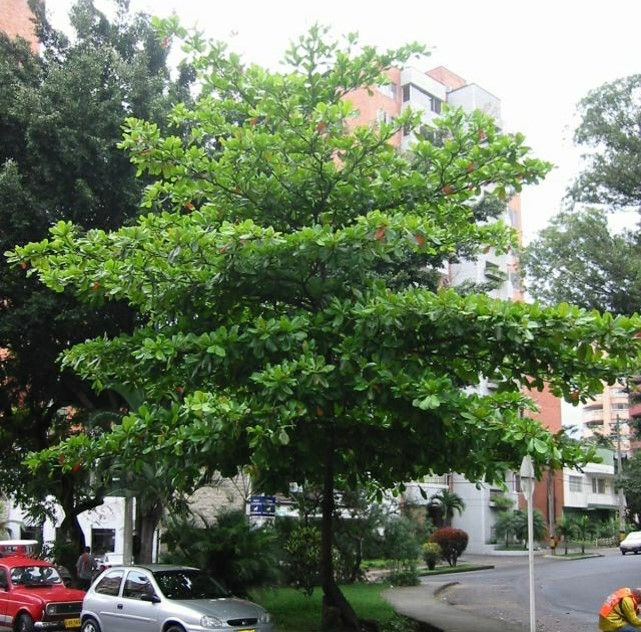
Almendro

Filodendro

Palma Real

Cartagenera
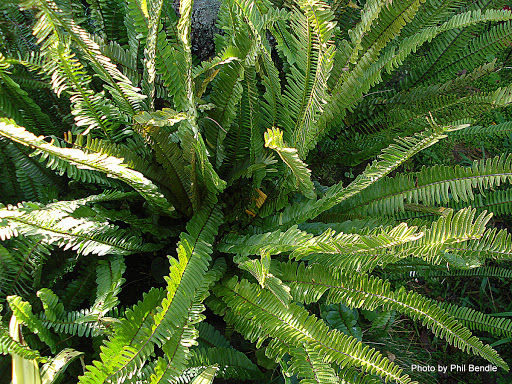
Helecho

Olivo Negro
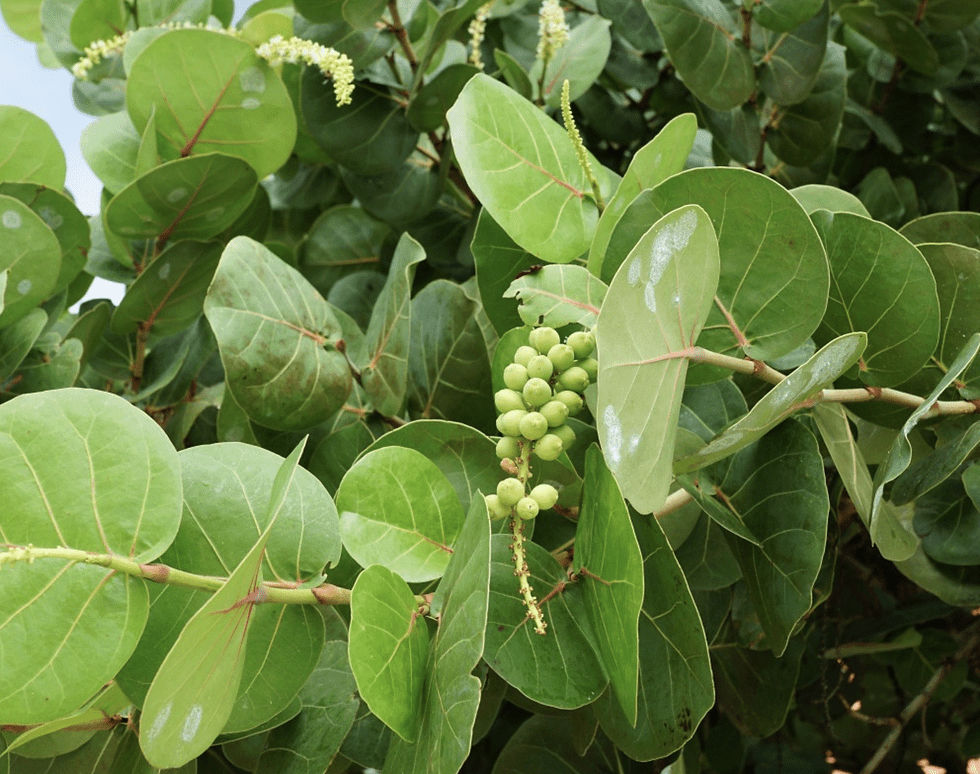
Uvito de playa

Mangle

Veranera

Palma Coco

Bore

Orquídea de tierra

Guayacán Amarillo

Carisa

Palma Cyca

Maní Forrajero

Liriope
Credits: Grupo Verde SAS
bottom of page